Newport's Older Housing and River Flats Demand a Different Starting Point
Roofing Newport's Pre-1980s Residential Core
Newport's residential housing stock reflects its character as one of Washington County's smaller and more established communities — a dense core of homes built primarily between the 1940s and 1970s that have been maintained, modified, and reroofed in varying ways over the decades. Properties in this age range present a specific set of roofing considerations that are distinct from the newer suburban communities to the north. Wood-framed decks from that construction era have gone through more freeze-thaw cycles than any shingle system installed on top of them, and the cumulative effect of thermal movement, moisture exposure, and in some cases multiple layers of added roofing weight means that deck condition is the primary question before any material selection is made. Newport's position along the Mississippi River flats means the city sits at a lower elevation than most of its Washington County neighbors, and the drainage implications of that terrain affect how water moves off roofs during both rain events and spring snowmelt. Flat terrain with limited grade means drainage depends more heavily on gutter capacity, downspout extension, and grading at the foundation perimeter — and when any of those systems underperform, the consequence shows up first at the roof-wall transitions and eave details that are lowest in the drainage hierarchy. A replacement project in Newport that doesn't account for these site and structure conditions from the outset is likely to reproduce the same drainage problems the original installation created.
Low Terrain, River Proximity, and What Both Mean for Drainage
Many Newport properties include additions, attached garages, or enclosed porches that were built with flat or low-slope roof sections connecting to the original pitched structure. These junctions — where a flat addition meets a pitched original structure, or where a garage roof meets a house wall at a different height — are consistently the highest-risk locations for flashing failure and water infiltration. Detailing those intersections correctly at replacement is the difference between a scope that holds for the full replacement cycle and one that generates a callback at the exact same location where the previous installation failed. The industrial corridor adjacent to Newport creates an air quality environment that differs from the residential suburbs farther north. Particulate matter settling on roof surfaces doesn't create acute failure conditions, but it does affect the granule surface of asphalt shingles over time on downwind exposures. This is a background condition rather than the primary driver of roofing decisions in Newport, but it's a factor in surface longevity that doesn't apply to most surrounding Washington County communities. Newport's older properties consistently reward a thorough initial assessment over a price-first conversation, because the scope surprises that show up mid-installation on a 1950s or 1960s home are more expensive to handle reactively than proactively. Getting the structure evaluated completely before work begins is what protects both the timeline and the budget on properties with decades of layered maintenance history.
Older Home Roof Replacement and Deck Assessment
Roof replacement on Newport's older housing stock follows a different process than a standard suburban replacement because the age of the structure introduces variables that don't exist on a home built in the last 25 years. The decking on a Newport home built in the 1950s or 1960s is often solid plank sheathing rather than modern plywood or OSB — a material that performs differently under shingle systems and requires different assessment criteria when evaluating whether the deck needs replacement or partial repair. Solid plank sheathing can be sound after decades of service if it has been kept dry and the structural framing below is intact, but gaps between planks that have widened over time create underlayment bridging requirements that standard installation details don't address. At the other end of the spectrum, plank sheathing that has absorbed sustained moisture from an overdue replacement can be deteriorated at the fastener points in ways that aren't visible until a full tear-off exposes the deck surface. The scope of a Newport replacement gets confirmed at tear-off rather than at inspection, and the initial estimate accounts for contingency based on what the property age, maintenance history, and visible condition indicators suggest. Material selection for Newport properties involves the same Class 4 and architectural shingle evaluation that applies across Washington County, but the priority is always getting the deck and drainage detailing right before the product choice becomes the determining factor in how the project is scoped.
Flat Roof and Low-Slope Addition Systems
Many Newport properties include flat or low-slope roof sections — additions, attached garages, or enclosed porches — that require a different roofing system than the pitched main roof and create junction points that are historically the highest-risk locations for moisture infiltration. TPO membrane and modified bitumen systems are the appropriate materials for low-slope Newport applications, as they handle the thermal cycling and UV exposure of the east metro climate more durably than built-up systems of the type common in mid-20th-century construction. Tear-off of an old built-up or modified bitumen section on a Newport addition frequently reveals that the drainage design of the flat section doesn't meet current standards for scupper size or overflow positioning, and addressing that drainage design at replacement rather than carrying it forward prevents the ponding water conditions that accelerate membrane failure. The junction between a flat addition and the pitched main structure requires step flashing and counterflashing that is mechanically attached to the wall, not sealant-dependent — because the freeze-thaw cycle in Newport will pull any sealant-only detail away from the wall surface within a few winters, and the failure point will be exactly where the two systems meet. Ensuring that junction is properly detailed and counterflashed before the new systems go down is the step that determines whether the replacement holds or produces the same callback pattern as the previous installation.
Drainage and Eave System Coordination
Drainage coordination on Newport properties involves gutter sizing, downspout extension, and grading at the foundation — all of which interact with the roof system's ability to move water off the structure efficiently. Newport's flat river valley terrain means that a gutter system that is undersized, improperly sloped, or clogged with debris creates a backup condition that holds water at the eave line longer than the flashing and underlayment at that location are designed to manage. On older Newport homes where the gutter hangers have pulled away from the fascia over time, a full replacement is the right opportunity to evaluate gutter sizing and reattachment as part of the scope rather than replacing shingles on a structure that will continue backing water at the eave edge. Downspout extensions that terminate close to the foundation are another recurring concern on Newport's compact residential lots — on a flat site with no natural grade away from the structure, water discharging at the foundation perimeter has nowhere to go except down toward the footing. Ice dam formation at the eave line is also a concern on Newport's older homes where attic ventilation is insufficient — the same attic heat loss that creates ice dams on Oakdale's older stock creates them here. Evaluating ventilation balance as part of a Newport replacement scope catches those conditions before the new shingle system is installed over an attic that would continue producing ice dams regardless of what product is on the roof.
Comprehensive Residential Roofing Services in Woodbury
Tailored to Your Needs
Woodbury Roofing Pros offers the full range of residential roofing services Washington County homeowners need — from full roof replacements on aging 1990s and 2000s housing stock to targeted storm damage repairs, HOA-compliant material installations, roof ventilation corrections, and specialty services including chimney flashing repair and flat roof systems. Every service is permitted where required and backed by a written workmanship warranty.
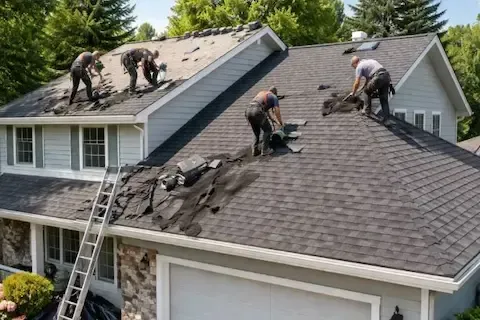
Full roof replacement for Woodbury's aging 1990s and 2000s housing stock, including permit and HOA documentation.
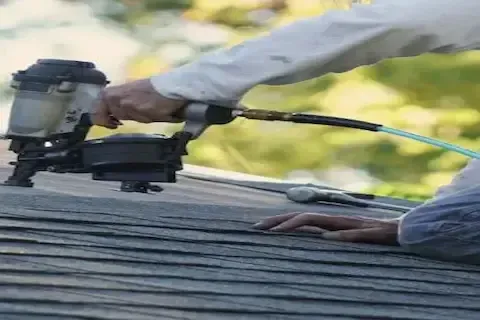
Accurate roof repair diagnosis for Washington County homeowners — we find the source and fix it right.
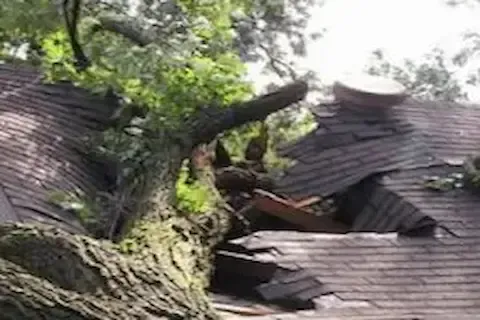
Storm damage assessment, insurance adjuster coordination, and full roof restoration in Woodbury MN.
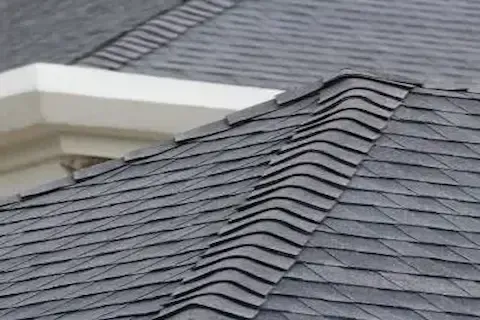
Architectural and Class 4 impact-resistant shingle installation for Woodbury homes and HOA communities.
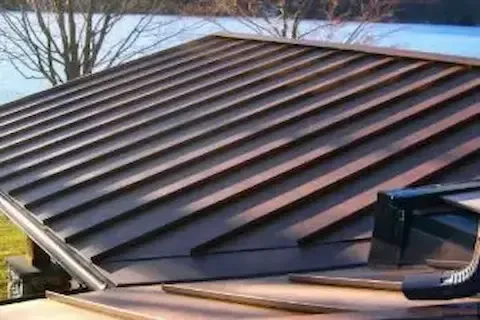
Standing seam and exposed fastener metal roofing for Woodbury homeowners choosing a long-life system.

Written roof inspection reports for Woodbury homeowners — no inflated quotes, no scare tactics.
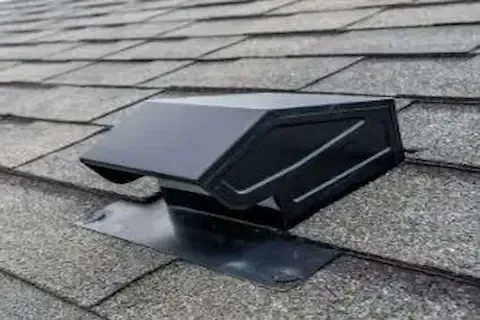
Soffit, ridge, and power ventilation corrections that protect shingles and reduce energy costs in Minnesota.
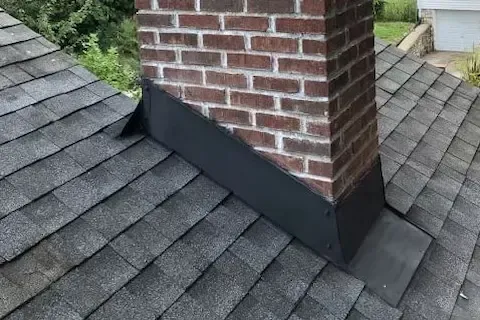
Chimney cap resealing, step flashing, counter flashing, and valley flashing repair across the east metro.

HOA roofing documentation, color approval support, and code-compliant installs in Woodbury communities.
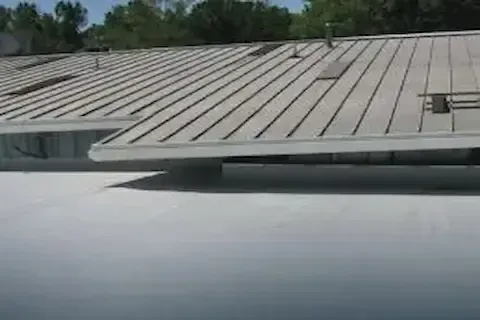
TPO, EPDM, and modified bitumen flat roof systems for garages, additions, and low-slope structures.
Frequently Asked Questions
Residential Roofing can be complex, and we’re here to provide answers to common questions. Here are some frequently asked questions from our clients.
Frequently Asked Questions about Roofing Contractor Woodbury MN
How do I know if my Woodbury roof needs replacing or just repairs?
Most Woodbury homes built in the 1990s and early 2000s used 25 to 30 year architectural shingles that are now reaching the end of their service life. If you are seeing granule loss in the gutters, cracked tabs, or recurring leaks after heavy rain, those are reliable signs that replacement makes more financial sense than continuing to repair. We inspect the deck condition as well, because Washington County's freeze-thaw cycles accelerate plywood deterioration once shingles lose flexibility.
How does the HOA approval process work for a roof replacement in Woodbury?
Most HOA communities in Woodbury require a written application with material samples and color swatches submitted to the architectural review committee before any work begins. Approval timelines vary by community but typically run two to four weeks. We assist homeowners in preparing the documentation, selecting materials that meet the HOA's published specifications, and scheduling the inspection after installation. We have worked through this process for communities across Woodbury's planned neighborhoods.
What roofing materials hold up best in Washington County winters?
Impact-resistant Class 4 asphalt shingles are the most practical choice for the majority of Woodbury homes given Washington County's hail exposure and freeze-thaw climate. They qualify for insurance discounts with most Minnesota carriers and perform well across the temperature swings the east metro experiences. For homeowners planning to stay long-term, standing seam metal is worth the premium investment given its 50-plus year lifespan and superior performance in heavy snow load and ice dam conditions.
How long does a full roof replacement take in Woodbury MN?
A standard residential roof replacement in Woodbury typically runs one to two days for most single-family homes. Larger homes with complex rooflines, steep pitches, or multiple penetrations may extend to three days. We stage materials the day before when possible so the actual tear-off and install stays on schedule. Washington County permit inspections are scheduled ahead of time to prevent delays at closeout.
Does homeowner's insurance cover storm damage roof repair in Minnesota?
Yes, in most cases. Minnesota homeowners' policies cover sudden storm damage from hail, wind, and falling debris. The process starts with a claim filed directly with your carrier, followed by an adjuster inspection. We document the damage before any temporary repairs and can meet your adjuster on-site to make sure nothing is missed. What insurance typically does not cover is deterioration from age or deferred maintenance, which is why distinguishing storm damage from wear is important to capture before filing.
Do I need a permit to replace my roof in Woodbury MN?
Yes. Woodbury and Washington County both require a building permit for full roof replacements. The permit confirms the installation meets Minnesota Residential Code requirements including deck fastening schedules, ventilation ratios, and underlayment specs. We pull the permit on your behalf, schedule the required inspections, and make sure the final sign-off is in place before the project closes. This protects you at resale and satisfies HOA documentation requirements where applicable.
Need Residential Roofing?
What Our Satisfied Clients Have to Say About Woodbury Roofing Pros
We pride ourselves on delivering great results and experiences for each client. Hear directly from home and business owners who’ve trusted us with their Residential Roofing needs.

Had our 1998 Woodbury home re-roofed last fall. The crew pulled the permit, handled our HOA color approval, and finished in one day. The estimate was itemized and matched the final invoice exactly. No surprises. Washington County inspector signed off without any issues.
Mark T
After the hail storm last spring I called three companies. Woodbury Roofing Pros was the only one that walked our adjuster through the damage before he wrote the estimate. We got full replacement coverage and the repair was completed two weeks later. Very professional process from start to finish.
Sandra Kowalski
Our Stonemill Farms HOA requires a detailed application and color sample approval before any roofing work. Woodbury Roofing Pros handled all of it. They knew exactly what the committee required and got it right the first time. The installation was clean and they hauled everything out the same day.
Jeff Larson
The Trusted Residential Roofing Expert Near You
Ready to hear more about expert services at Woodbury Roofing Pros?
Contact us today to receive a detailed, no-obligation quote.

Woodbury & the Twin Cities metro
Monday-Friday: 9am-5pm, Saturday: 11am-3pm
