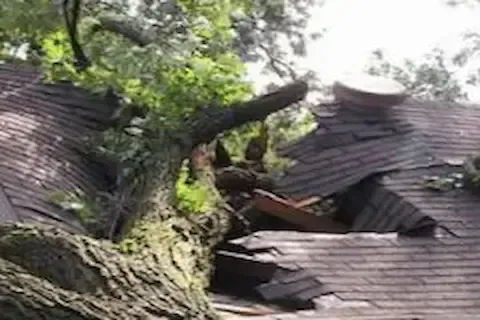
Wind Damage Shingle Repair on Woodbury Minnesota Roofs
Wind events across the Twin Cities metro don't need to reach tornado strength to cause real damage on your roof. In Woodbury and the broader Washington County area, even moderate summer storms and late-fall windstorms can lift asphalt shingles enough to break the factory seal strips, allowing water intrusion that goes unnoticed until staining appears on interior ceilings. Understanding what wind actually does to asphalt shingles — and how repair decisions get made — helps you act quickly and avoid compounding a manageable repair into a full replacement.
How Wind Loads Work on Asphalt Shingles
Asphalt shingles are designed to resist wind through two mechanisms: the nailing pattern applied during installation and the self-sealing adhesive strip that bonds the tab of each shingle to the course below it. When wind speed increases, it creates a pressure differential — lower pressure on the leeward side of the roof pulls shingles upward. The leading edges and corners of each tab are the most vulnerable points, particularly on lower-slope sections where wind gets underneath more easily.
In Washington County, prevailing storm tracks tend to push wind from the southwest and northwest, meaning south- and west-facing roof planes frequently absorb the highest loading. Ridge lines and rake edges — the sloped edges along the gable ends — are also high-risk zones because they lack the support of overlapping courses above them.
When seal strips fail, they don't always produce immediate leaks. Instead, the tab lifts slightly with each wind event, eventually cracking the shingle itself or allowing driven rain to enter at the exposed nail line below. That slow failure mode is why some homeowners in Woodbury don't realize they have a problem until the damage is well advanced.
Damage Patterns That Require Immediate Attention
Not all wind damage looks the same, and the repair approach depends heavily on which failure mode occurred. The most common patterns you'll see after a significant storm include:
- Lifted tabs with broken seal strips: The shingle is still physically present but no longer adhered. These must be re-sealed or replaced before the next rain event.
- Missing shingles: Complete removal of one or more tabs exposes the underlayment or bare decking. This is an active leak risk and requires same-week repair in most cases.
- Cracked or creased shingles: Wind stress causes shingles to bend past their flex limit, leaving a visible crease that fractures the granule surface. Water will channel directly into that crease.
- Granule displacement: Heavy wind strips granules from the shingle surface, accelerating UV degradation and reducing the shingle's effective lifespan even if no immediate leak develops.
- Nail pops: Wind movement can work nails loose from the decking, causing the shingle above to tent slightly — a subtle but important failure point along high-wind rake edges.
After any storm event, a careful visual scan from ground level can reveal obvious missing shingles or lifted edges. For a complete damage assessment, a roofline inspection from a ladder or by a qualified contractor is necessary to find the subtler failures that will cause problems later.
Repair Scope and Matching Replacement Shingles
Repair scope depends on how many shingles are affected, where they're located, and the current condition of the surrounding field. A single missing shingle in the middle of a three-tab field on a roof installed five years ago is a straightforward spot repair — assuming a matching shingle can be sourced. That assumption matters more than most homeowners expect.
Asphalt shingle products are reformulated, recolored, and discontinued frequently by manufacturers. A Woodbury home with shingles installed in 2015 may be running a color or product line that no longer exists in current inventory. Even when a product appears to match by name, granule tone and blend vary between production runs, meaning a small patch can appear noticeably different from the surrounding field once the repair is complete.
Options for handling this include sourcing unused bundles from the original installation if the homeowner kept leftovers, finding aged stock through salvage distributors, or accepting a visible but weathertight patch as the pragmatic solution. In cases where the damage is extensive or the existing shingles are already aging, some Washington County homeowners find that replacing an entire roof plane — rather than patching — produces a better long-term result and a cleaner outcome with the insurance carrier.
For guidance on the full scope of storm-related work and how repairs connect to replacement decisions, the storm damage repair guide covers those decision points in detail.
Insurance Coordination in Washington County
Most homeowner policies in Minnesota cover wind damage as a named peril, but the process of documenting and filing a claim involves steps that directly affect whether your repair gets fully reimbursed. Wind damage is less visually dramatic than hail damage, and adjusters sometimes need detailed contractor documentation to recognize the full extent of seal strip failures and cracked shingles that aren't visible from a standard roofline walk.
Woodbury homeowners dealing with wind claims should document damage with time-stamped photographs taken immediately after the storm, before any temporary repairs are made. If you apply a tarp or emergency sealant, photograph the underlying damage first. Adjusters will note whether damage is consistent with the storm event date, and having clear before-and-after evidence protects your claim.
Scope disputes are common when a carrier wants to pay for patch repair and a contractor's assessment indicates that replacement of a full plane is necessary to restore the roof to a uniform, warrantied condition. Understanding your policy language around matching and cosmetic damage provisions — which vary significantly between insurers — is worth doing before you sign a repair authorization.
Working with a Storm Damage Roof Repair contractor who understands the insurance documentation process and can provide a detailed written scope is one of the more important decisions you'll make after a significant wind event.
Timing and Seasonal Considerations in Woodbury
Wind damage repairs in Woodbury need to account for Minnesota's climate realities. Asphalt shingles require a minimum temperature — typically around 40°F — for seal strips to activate and bond properly. A repair made in late October or November may be weathertight mechanically but won't fully seal until the following spring warm-up. Contractors working in shoulder-season conditions should apply hand-sealing with roofing cement to compensate for the cold, rather than relying on the factory adhesive to bond on its own.
For damage discovered heading into winter, even a professionally applied tarp is a better interim solution than leaving exposed decking. Acting promptly after any wind event — rather than waiting for spring — prevents the freeze-thaw cycle from turning a moderate shingle repair into a decking replacement.
