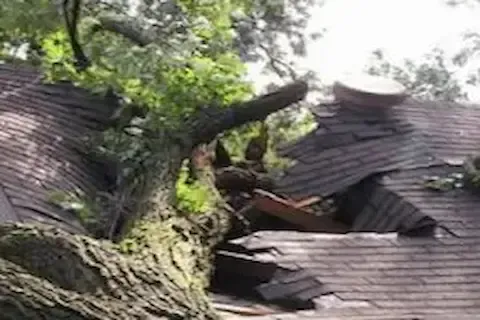
Storm Damage Roof Repair Guide for Woodbury MN Homes
When severe weather strikes Woodbury, Minnesota, your roof bears the brunt of nature's fury. From baseball-sized hail that can puncture shingles to powerful winds exceeding 70 mph that lift and tear roofing materials, storm damage requires immediate attention and professional assessment. Understanding the complete restoration process, from initial damage evaluation through insurance claim resolution, helps you protect your investment and restore your home's protection efficiently.
Identifying Storm Damage on Your Woodbury Roof
Storm damage assessment begins with recognizing the visible and hidden signs that indicate your roof has been compromised. Hail damage appears differently depending on the size and velocity of the hailstones. Small hail may create bruising on asphalt shingles that looks like dark spots or circular marks where granules have been knocked away. Larger hail can crack shingles entirely or create puncture holes that allow water infiltration.
Wind damage manifests through lifted, curled, or completely missing shingles. Strong winds can also drive debris into your roof, creating impact damage or punctures. Check your gutters for excessive granule accumulation, which indicates significant surface damage to your shingles. Exposed nail heads, cracked flashing, and damaged roof vents are additional indicators that your roof sustained storm impact.
Interior signs of storm damage include water stains on ceilings or walls, which may not appear immediately after a storm. Water can travel along roof decking before finding entry points into your living space. Check your attic for signs of moisture, including wet insulation, water marks on rafters, or daylight visible through the roof structure.
Washington County experiences frequent severe weather events, particularly during spring and early summer months. The combination of temperature fluctuations and intense precipitation creates ideal conditions for roof damage. Professional Storm Damage Roof Repair assessment becomes crucial after any significant weather event in the area.
Wind and Hail Damage Assessment Procedures
Professional damage assessment follows systematic procedures to document all storm-related issues comprehensively. Contractors begin with exterior visual inspection, examining shingles, flashing, gutters, downspouts, and roof accessories. They use specialized equipment to detect subtle damage that untrained eyes might miss, including moisture meters to identify water infiltration and infrared cameras to locate thermal irregularities.
Hail damage assessment focuses on impact patterns, granule loss density, and shingle integrity. Professional assessors measure hail hits per square foot to determine coverage requirements for insurance claims. They also evaluate the age and condition of existing materials to distinguish between storm damage and normal wear deterioration.
Wind damage evaluation examines uplift resistance failure, fastener withdrawal, and debris impact. Assessors check sealing integrity around penetrations, inspect flashing attachment points, and evaluate the structural soundness of underlying roof decking. They document findings with detailed photographs and measurements that support insurance claim submissions.
Safety considerations during assessment require professional expertise. Roof surfaces become slippery and unstable after storm events, making DIY inspection dangerous. Professional assessors use proper safety equipment and techniques to conduct thorough evaluations without risking injury or causing additional damage to compromised roof structures.
Insurance Claim Process for Storm Damage
Filing storm damage insurance claims requires prompt action and thorough documentation. Contact your insurance company immediately after discovering damage, typically within 24-48 hours of the storm event. Provide basic information about the damage extent and request claim number assignment for future reference.
Document everything extensively before making any repairs beyond emergency protective measures. Photograph all visible damage from multiple angles, including close-up shots of specific issues and wide-angle views showing overall roof condition. Create written descriptions of damage locations and severity to supplement photographic evidence.
Emergency protective measures, such as tarping damaged areas to prevent water infiltration, are typically covered expenses that should be documented separately. Keep receipts for materials and labor used in emergency protection efforts, as these costs are often reimbursable under your policy terms.
Understanding your insurance policy details before filing claims helps set realistic expectations. Review your deductible amount, coverage limits, and any exclusions that might affect your claim. Some policies have separate wind and hail deductibles, while others apply standard deductibles to storm damage claims.
Adjuster Meeting Preparation
Insurance adjuster meetings determine claim approval and payment amounts, making preparation crucial for favorable outcomes. Schedule the meeting promptly after claim filing, as adjusters often have heavy caseloads following major storm events in Woodbury and surrounding Washington County areas.
Gather all documentation before the adjuster arrives, including photographs, written damage descriptions, and any professional assessment reports. Having organized documentation demonstrates thoroughness and helps adjusters understand the full scope of damage requiring attention.
Consider having a professional roofing contractor present during adjuster meetings. Experienced contractors understand damage assessment procedures and can point out issues that adjusters might overlook. They can also provide immediate cost estimates for repair work and answer technical questions about restoration requirements.
Be present during the entire inspection process to ask questions and ensure all damaged areas receive attention. Adjusters may miss secondary damage or focus primarily on obvious issues while overlooking subtle problems that could worsen over time without proper attention.
Emergency Protective Measures
Immediate action after storm damage prevents additional water infiltration and protects your home's interior from further damage. Emergency protective measures should be implemented as soon as safety allows, typically within hours of damage discovery.
Tarping exposed areas requires proper technique and materials to be effective. Use heavy-duty tarps with adequate overlap beyond damaged areas, securing them with appropriate fasteners that won't cause additional damage. Ensure water runoff paths direct moisture away from your home rather than channeling it into new problem areas.
Remove standing water from interior areas immediately to prevent mold growth and structural damage. Use fans and dehumidifiers to accelerate drying processes in affected spaces. Document all emergency measures with photographs and receipts for potential insurance reimbursement.
Professional emergency services provide more comprehensive protection than DIY measures. Experienced technicians understand proper tarping techniques, water extraction procedures, and drying protocols that prevent secondary damage development while your claim processes.
Full Restoration Scope and Timeline
Complete storm damage restoration encompasses more than simple shingle replacement. Comprehensive restoration addresses all affected systems, including roofing materials, gutters, siding, windows, and landscaping elements damaged during the storm event.
Material selection affects restoration timeline and long-term performance. Standard asphalt shingles may be available immediately, while specialty materials or architectural shingles might require ordering with extended lead times. Color matching existing materials becomes important for partial replacement projects where only sections of the roof sustained damage.
Restoration phases typically follow logical sequences that minimize weather exposure and maximize efficiency. Initial phases focus on structural repairs and waterproofing, followed by finish materials installation and final cleanup. Weather delays can extend timelines significantly, particularly during Woodbury's winter months when working conditions become challenging.
Quality control throughout restoration ensures long-term performance and warranty protection. Professional contractors implement inspection protocols at each phase, documenting progress and identifying any issues requiring additional attention before project completion.
The HOA approval process may add complexity to restoration timelines in certain Woodbury neighborhoods. Understanding architectural requirements and approval procedures helps avoid delays and ensures compliance with community standards.
Working with Professional Restoration Contractors
Selecting qualified restoration contractors requires careful evaluation of credentials, experience, and local reputation. Licensed contractors familiar with Washington County building codes and permit requirements ensure compliance with all regulatory standards throughout the restoration process.
Insurance company preferred contractor lists provide starting points for contractor selection, but homeowners maintain the right to choose their restoration professional. Evaluate contractors based on experience with similar projects, local references, and comprehensive service capabilities rather than solely on insurance company recommendations.
Detailed restoration estimates should itemize all work phases, material specifications, labor costs, and timeline projections. Compare estimates carefully to understand differences in scope and approach, ensuring all necessary work receives attention in contractor proposals.
Warranty protection varies significantly among contractors and should influence selection decisions. Comprehensive warranties covering both materials and workmanship provide long-term protection for your investment, while limited warranties may leave you responsible for future issues related to restoration work.
Long-Term Maintenance After Storm Repair
Post-restoration maintenance programs protect your investment and ensure optimal performance from new roofing systems. Regular inspection schedules help identify minor issues before they develop into major problems requiring expensive repairs.
Seasonal maintenance tasks include gutter cleaning, flashing inspection, and shingle condition assessment. Minnesota's extreme temperature variations create expansion and contraction cycles that can affect fastener integrity and sealing performance over time.
Documentation of maintenance activities supports warranty claims and insurance requirements. Keep detailed records of all maintenance performed, including photographs and professional inspection reports that demonstrate proper care of your restored roofing system.
Establishing relationships with local roofing professionals provides access to prompt service when issues arise. Regular maintenance relationships often include priority scheduling for emergency repairs and preferential pricing for ongoing service needs.
Storm damage restoration represents a significant investment in your Woodbury home's protection and value. Understanding the complete process, from initial damage assessment through long-term maintenance planning, helps ensure successful outcomes that protect your family and property for years to come. Working with qualified professionals throughout each phase maximizes insurance claim benefits while ensuring restoration quality that stands up to Minnesota's challenging weather conditions.
