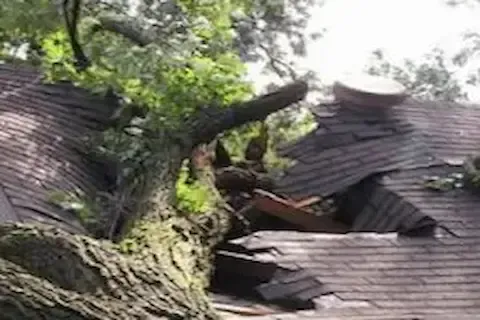
Summer Hail Season Roof Prep for Woodbury MN Homes
Summer brings intense weather patterns to Minnesota, and Woodbury homeowners face a concentrated hail season that typically runs from June through August. During this period, severe thunderstorms can produce hailstones ranging from pea-sized to golf ball-sized projectiles that cause significant roof damage. Proper preparation before peak hail season arrives can save you thousands in emergency repairs and help ensure your insurance claims process smoothly if damage occurs.
Understanding Woodbury's Hail Season Patterns
Woodbury sits in a prime location for severe weather development, with most hail events occurring during late afternoon and evening hours when atmospheric conditions create the perfect storm environment. The city typically experiences 2-4 significant hail events each summer, with the heaviest activity concentrated in July. These storms often approach from the southwest, giving residents minimal warning time before impact.
Hailstones larger than one inch in diameter pose serious threats to roofing materials, gutters, and siding. Even smaller hail can compromise aging or already-weakened roofing systems. The combination of high winds and hail creates a particularly destructive scenario that can strip granules from asphalt shingles and crack or puncture roofing materials.
Pre-Season Roof Inspection Essentials
Schedule a comprehensive roof inspection in May, before peak hail season begins. This timing allows adequate preparation while avoiding the rush that occurs after major storm events. Professional inspections identify existing vulnerabilities that hail could exploit, such as loose or damaged shingles, worn flashing, or compromised gutters.
Document your roof's current condition thoroughly with high-resolution photographs from multiple angles. Capture close-up images of shingle conditions, flashing details, gutters, and any existing wear patterns. Store these images securely both digitally and in print form, as they serve as crucial baseline documentation for insurance purposes should storm damage occur.
Pay particular attention to south-facing and west-facing roof sections, as these areas typically receive the most intense hail impact due to prevailing storm directions in the Woodbury area. Check for granule loss, exposed mat, cracked or missing shingles, and any signs of previous hail damage that may not have been properly addressed.
Class 4 Shingle Upgrade Considerations
Class 4 impact-resistant shingles represent the highest rating for hail resistance and offer superior protection during severe weather events. These specialized shingles undergo rigorous testing that simulates hail impacts up to two inches in diameter, making them particularly valuable in hail-prone areas like Woodbury.
The upgrade investment typically pays for itself through insurance premium discounts and reduced likelihood of storm damage claims. Many insurance companies offer premium reductions ranging from 10-30% for homes with Class 4 roofing materials. Additionally, these shingles often come with enhanced warranties that provide longer coverage periods and better protection against manufacturing defects.
Consider timing your Storm Damage Roof Repair or replacement projects for early spring installation. This schedule ensures your new roofing system is fully settled and performing optimally before hail season arrives. Early installation also avoids the supply chain delays and contractor availability issues that often occur during peak storm recovery periods.
Gutter and Drainage System Preparation
Clean and inspect your gutter system thoroughly, removing all debris that could impede proper water flow during intense summer storms. Hail events often produce heavy rainfall that can overwhelm clogged or damaged gutters, leading to water damage that compounds the impact of hail damage.
Secure loose gutter sections and downspouts, as high winds accompanying hail storms can tear poorly attached components from your home. Check gutter hangers and brackets for signs of loosening or corrosion, replacing any compromised hardware before storm season begins.
Verify that your drainage system directs water away from your foundation effectively. Poor drainage can cause basement flooding during severe weather events, creating additional property damage beyond roof-related issues.
Emergency Response Planning
Develop a comprehensive emergency response plan that includes immediate post-storm safety protocols and damage assessment procedures. Keep emergency contact information readily accessible, including your insurance company, trusted roofing contractors, and local emergency services.
Prepare temporary repair materials such as tarps, rope, and basic tools for emergency roof covering if significant damage occurs. However, never attempt roof access during or immediately after severe weather events, as conditions remain dangerous with wet surfaces and potential structural compromises.
Establish relationships with reputable local contractors before you need them. Research and vet potential service providers during calm weather periods, as the aftermath of major hail events creates high demand for repair services and increases the presence of storm-chasing contractors with questionable credentials.
Insurance Documentation and Communication
Review your homeowner's insurance policy coverage details, paying particular attention to deductibles, coverage limits, and claim procedures for storm damage. Understanding your policy terms before damage occurs prevents confusion and delays during the claims process.
Establish clear documentation protocols for post-storm damage assessment. Plan to photograph all damage immediately after storms pass and conditions are safe for exterior inspection. Create systematic documentation that covers the entire property, not just obvious damage areas.
For additional guidance on managing storm damage situations, reference our comprehensive storm damage repair guide which provides detailed information about insurance claims and repair processes.
Professional Assessment Benefits
Professional roofing contractors bring specialized knowledge of local weather patterns and building codes specific to Woodbury and the greater Twin Cities area. They understand the unique challenges posed by Minnesota's climate cycles and can recommend preparations tailored to regional conditions.
Experienced contractors also maintain relationships with insurance adjusters and understand the documentation standards required for successful claims processing. This expertise proves invaluable when navigating complex insurance procedures following storm damage events.
Regular professional maintenance programs help identify and address minor issues before they become major problems. These preventive approaches often cost significantly less than emergency repairs and help maintain your roof's warranty coverage.
