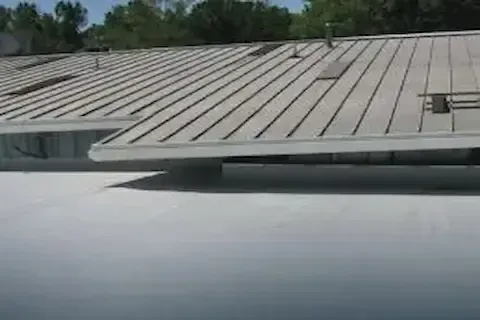
Spring Flat Roof Inspection Checklist for Woodbury MN
Why Spring Inspections Matter for Flat Roofs
Spring represents the most critical time for flat roof inspections in Woodbury, Minnesota. After months of harsh winter conditions, freeze-thaw cycles, and heavy snow loads, your flat roof has endured significant stress. The seasonal transition exposes vulnerabilities that developed during winter but weren't immediately visible under snow cover. Early detection of these issues prevents minor problems from becoming major structural concerns or interior water damage.
Minnesota's climate creates unique challenges for flat roofing systems. Temperature fluctuations between freezing and thawing cause roofing materials to expand and contract repeatedly, potentially creating cracks, separating seams, and compromising membrane integrity. Spring inspections allow you to address these weather-related damages before the next severe weather season arrives.
Essential Inspection Areas
Begin your inspection by examining the roof membrane surface for any visible damage. Look for punctures, tears, or abraded areas where protective granules may have worn away. Pay special attention to high-traffic areas around HVAC units, satellite dishes, or other rooftop equipment where foot traffic occurs regularly.
Inspect all seams and joints thoroughly. These connections between membrane sections are particularly vulnerable to separation during freeze-thaw cycles. Look for gaps, lifted edges, or areas where the sealing material appears cracked or missing. Even small separations can allow water infiltration that leads to extensive damage over time.
Check for blistering or bubbling in the membrane surface. These raised areas indicate trapped moisture or air beneath the membrane, often resulting from inadequate adhesion or previous water infiltration. Blisters may appear minor but can rupture easily, creating immediate leak points.
Examine all penetrations including vents, pipes, electrical conduits, and equipment supports. The sealing around these penetrations must remain watertight, but thermal movement often compromises these connections. Look for cracked caulking, loose flashing, or gaps between the penetration and surrounding membrane.
Drainage System Evaluation
Proper drainage is absolutely critical for flat roof longevity. Start by clearing all drains, scuppers, and gutters of debris that accumulated during winter months. Leaves, twigs, and ice damage can create blockages that cause water pooling.
Test drainage functionality by running water through the system. Water should flow freely through drains and downspouts without backing up or overflowing. Any restrictions indicate blockages that need immediate attention. For properties in Woodbury's established neighborhoods, mature trees often contribute significant debris that requires regular clearing.
Look for standing water or areas where water pooled after recent rainfall. While some ponding is normal within 24-48 hours after precipitation, persistent standing water indicates drainage problems or structural sagging that requires professional attention.
Inspect the roof slope to ensure proper water flow toward drains. Flat roofs aren't actually flat – they require slight slopes to direct water toward drainage points. Areas where water doesn't flow properly may need additional slope or drainage improvements.
Edge and Parapet Inspection
Roof edges and parapets experience some of the most severe weather exposure and require careful examination. Check all edge flashing for proper attachment and sealing. Wind can loosen edge components, creating entry points for water infiltration.
Examine parapet walls for cracks, loose mortar, or damaged coping stones. Water penetration through parapet walls can cause significant structural damage and interior leaks. Look for signs of efflorescence – white, chalky deposits that indicate water movement through masonry.
Verify that all Flat Roof Installation edge details remain secure and properly sealed. Edge failures often lead to progressive damage that extends inward across the roof surface.
Common Spring Damage Patterns
Ice dam formation along roof edges is particularly common in Woodbury's climate. Even flat roofs can experience ice accumulation that backs up under membrane edges or around penetrations. Look for signs of water staining or damage along building perimeters that might indicate ice dam problems.
Thermal shock damage occurs when rapid temperature changes cause different roofing materials to expand and contract at different rates. This creates stress at connection points and can cause sudden failures in flashing or membrane attachments.
Snow load damage may not be immediately visible but can cause structural sagging or compromise in the roof deck. Look for any areas where the roof surface appears uneven or where interior ceiling damage might indicate structural movement.
Understanding these patterns helps property owners recognize when professional evaluation is necessary rather than attempting repairs beyond their capabilities.
Professional vs. DIY Assessment
While basic visual inspections can identify obvious problems, comprehensive flat roof evaluation requires professional expertise. Complex issues like structural integrity, proper slope calculations, and membrane system compatibility require specialized knowledge and equipment.
Safety considerations make professional inspections advisable for most property owners. Flat roofs can have hidden weak spots, slippery conditions, or unstable areas that create fall hazards. Professional roofers have appropriate safety equipment and training to work safely at height.
Professional inspections often identify problems that aren't visible to untrained observers. Thermal imaging can detect moisture infiltration, while experienced contractors recognize early warning signs of system failures before they become emergencies.
For comprehensive guidance on flat roof systems and professional installation standards, reference our detailed flat roof installation guide which covers material selection and proper construction techniques.
Documentation and Planning
Maintain detailed records of all inspections, repairs, and maintenance activities. Photograph problem areas and track changes over time. This documentation helps identify patterns and provides valuable information for insurance claims or warranty coverage.
Develop a maintenance schedule based on inspection findings. Some issues require immediate attention, while others can be planned for appropriate weather conditions or budget timing. Prioritize repairs that affect building envelope integrity or safety.
Spring inspections in Woodbury should be completed by early May, allowing time for repairs before summer storm season. Minnesota's severe weather patterns make proactive maintenance essential for flat roof longevity and building protection.
