Flat Roof Installation in Woodbury MN: A Complete Guide
Understanding Flat Roof Systems for Woodbury Properties
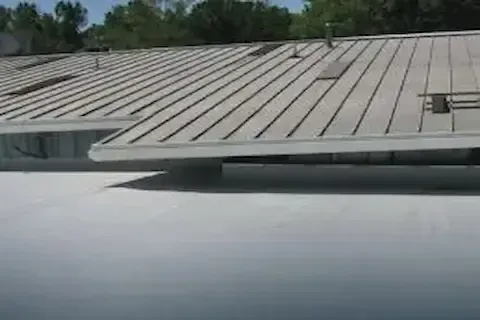
Flat roof installation in Woodbury requires careful consideration of Minnesota's harsh climate conditions and local building requirements. While technically called "low-slope" roofing, these systems feature minimal pitch designed for water drainage while providing cost-effective coverage for garages, additions, and commercial structures throughout Washington County.
Modern flat roofing systems have evolved significantly from the problematic tar-and-gravel installations of decades past. Today's membrane technologies offer superior durability, energy efficiency, and longevity when properly installed by experienced contractors familiar with Minnesota's freeze-thaw cycles and heavy snow loads.
The three primary membrane types dominating Woodbury installations include TPO (Thermoplastic Polyolefin), EPDM (Ethylene Propylene Diene Monomer), and modified bitumen systems. Each material offers distinct advantages depending on your specific application, budget constraints, and long-term maintenance preferences.
TPO Membrane Installation Process
TPO represents the most popular choice for residential flat roof applications in Woodbury due to its excellent weather resistance and energy-efficient white surface. The installation begins with thorough substrate preparation, ensuring the roof deck provides adequate structural support for membrane attachment and thermal movement.
Professional installers start by applying polyiso or XPS insulation boards directly to the structural deck, creating both thermal performance and a smooth surface for membrane adhesion. The insulation thickness typically ranges from two to four inches, depending on energy code requirements and desired R-value performance.
TPO membranes arrive in large rolls, minimizing seam requirements across the roof surface. Flat Roof Installation specialists use hot-air welding equipment to create permanent seams between membrane sections, forming a completely waterproof barrier that resists Minnesota's temperature extremes.
Membrane attachment methods include fully adhered systems using contact cement, mechanically fastened installations with plates and screws, or ballasted systems held down by gravel or pavers. Fully adhered systems provide superior wind resistance, making them ideal for Woodbury's occasional severe weather events.
EPDM Rubber Membrane Systems
EPDM rubber membranes offer exceptional longevity and puncture resistance, making them suitable for roofs with moderate foot traffic or nearby trees. The black rubber material absorbs solar heat, which can benefit heating costs during Minnesota winters while potentially increasing cooling expenses during summer months.
Installation involves rolling out large membrane sections and securing them with adhesive or mechanical fasteners around the perimeter and field areas. EPDM seams require liquid adhesives and tape systems rather than heat welding, demanding meticulous attention to detail for long-term watertight performance.
The membrane's flexibility allows it to accommodate structural movement and thermal cycling without cracking or splitting. This characteristic proves particularly valuable in Woodbury's climate, where temperature swings can exceed 100 degrees between winter lows and summer highs.
EPDM systems typically cost less initially than TPO installations, but the energy performance differences may impact long-term operational expenses depending on the building's heating and cooling systems.
Modified Bitumen Multi-Layer Systems
Modified bitumen combines traditional asphalt technology with polymer modifiers to create enhanced flexibility and durability. These systems typically involve multiple layers, including a base sheet, interply sheets, and a granule-surfaced cap sheet for weather protection.
Installation methods include torch-applied systems using open-flame equipment, cold-applied installations with adhesives, and self-adhered products with peel-and-stick application. Torch-applied systems generally provide superior adhesion but require experienced installers with proper safety equipment and fire prevention measures.
The multiple-layer construction provides redundancy against leaks, as water must penetrate several barriers before reaching the structural deck. This characteristic makes modified bitumen attractive for critical applications where leak prevention takes priority over initial cost considerations.
Surface granules protect the underlying bitumen from UV degradation while providing slip resistance for maintenance access. Color options allow some solar reflectance control, though not to the extent offered by white TPO membranes.
Insulation and Energy Performance Considerations
Minnesota energy codes require substantial insulation levels for flat roof assemblies, typically R-25 or higher depending on the building type and heating system. Polyisocyanurate (polyiso) insulation provides excellent thermal performance per inch of thickness, making it the preferred choice for most Woodbury installations.
Insulation placement affects both energy performance and membrane longevity. Placing insulation above the structural deck keeps the deck warm, reducing condensation risks and thermal stress on the building structure. This approach requires careful attention to vapor barriers and air sealing details.
Tapered insulation systems provide positive drainage toward roof drains and scuppers, preventing standing water that can lead to premature membrane failure. Professional design ensures minimum slopes of 1/4 inch per foot across all roof areas, with steeper slopes near drainage points.
Thermal bridging through fasteners and structural elements can significantly impact energy performance. Continuous insulation installation minimizes these thermal bridges while providing consistent R-value across the entire roof assembly.
Drainage Design and Installation Requirements
Proper drainage represents the most critical aspect of flat roof performance in Minnesota's climate. Standing water accelerates membrane deterioration, creates ice damming conditions, and increases structural loading during freeze-thaw cycles common in the Washington County area.
Primary drainage typically involves interior roof drains connected to the building's storm water system. Drain placement requires coordination with structural elements and mechanical systems to ensure adequate drainage capacity without interfering with other building components.
Secondary drainage provides backup water removal in case primary drains become blocked by debris or ice. Scuppers, overflow drains, or controlled overflow edges direct excess water away from the building before it reaches levels that could cause structural damage or interior flooding.
Drain detail installation requires careful membrane work around drain bodies, ensuring watertight seals while accommodating thermal movement. Professional installers use prefabricated drain accessories designed specifically for each membrane type, avoiding field-cut penetrations that often fail prematurely.
Flashing and Penetration Details
Roof penetrations and perimeter conditions require specialized flashing systems designed for membrane compatibility and thermal movement accommodation. Common penetrations include plumbing vents, HVAC equipment, electrical conduits, and structural elements extending through the roof plane.
Base flashing typically extends from the roof surface up vertical elements at least eight inches, with counterflashing providing additional protection against water intrusion. Metal flashing materials must be compatible with the membrane system to prevent galvanic corrosion or chemical interactions.
Parapet walls and roof-to-wall transitions require robust flashing systems capable of handling significant thermal movement and wind-driven rain. chimney flashing repair guide principles apply to many vertical penetration details, emphasizing multiple layers of protection and proper material selection.
Equipment curbs for HVAC units, exhaust fans, and other mechanical equipment need adequate height above the roof surface to prevent water intrusion during heavy rain or snow melt conditions. Pre-manufactured curbs ensure consistent quality and proper integration with the membrane system.
Common Installation Challenges and Solutions
Minnesota's short construction season concentrates flat roof installations into a limited timeframe, potentially creating scheduling and quality challenges. Temperature and moisture conditions during installation significantly affect membrane performance, particularly for adhesive-based systems requiring specific application conditions.
Cold weather installations require special procedures and materials designed for low-temperature application. Some membrane types cannot be installed below certain temperatures, potentially delaying projects until spring conditions return to the Woodbury area.
Wind conditions during installation pose safety risks and can damage partially completed membrane installations. Temporary ballast or mechanical fastening may be necessary to secure work areas until final membrane attachment is completed.
Substrate conditions often present unexpected challenges, particularly in renovation projects where existing roof systems must be removed or modified. Structural capacity evaluation ensures the building can support new roofing loads, including insulation, membrane, and any ballast systems.
Maintenance Requirements and Lifecycle Management
Flat roof systems require more active maintenance than sloped roofing to achieve their full service life potential. Regular inspections, typically twice yearly in spring and fall, identify developing issues before they cause significant damage or interior water intrusion.
Drain cleaning represents the most critical maintenance activity, ensuring proper water removal during Minnesota's heavy rain and snow melt events. Debris accumulation around drains can create standing water conditions that accelerate membrane deterioration and create structural concerns.
Membrane surface inspection identifies punctures, tears, or seam separations requiring immediate repair. Early intervention prevents small problems from expanding into major roof replacements, significantly extending the system's useful life.
Traffic control and equipment placement guidelines help prevent mechanical damage from maintenance activities, HVAC servicing, and other roof access requirements. Walkway pads distribute loads and protect membrane surfaces from concentrated stresses.
Cost Considerations and Return on Investment
Flat roof installation costs in Woodbury vary significantly based on membrane type, insulation requirements, drainage complexity, and site-specific conditions. TPO systems typically fall in the middle price range, while EPDM offers lower initial costs and modified bitumen commands premium pricing.
Energy performance differences between membrane types affect long-term operating costs, particularly for conditioned spaces. White TPO membranes reduce cooling loads during summer months, while dark EPDM surfaces may benefit heating costs during Minnesota's long winter season.
Warranty coverage varies by manufacturer and installation contractor, ranging from 10-year material warranties to comprehensive 20-year system warranties covering both materials and installation workmanship. Extended warranties typically require certified installer participation and regular maintenance compliance.
Lifecycle cost analysis should consider initial installation expenses, maintenance requirements, energy performance, and expected service life when selecting membrane systems. Professional evaluation helps identify the most cost-effective solution for each specific application and building use pattern.
