Roof Repair in Woodbury MN: Complete Homeowner Guide
Understanding Roof Repair Needs in Woodbury Minnesota
Woodbury homeowners face unique roofing challenges due to Minnesota's harsh climate conditions. The combination of heavy snow loads, ice dams, temperature fluctuations, and severe storm activity creates specific vulnerabilities that require prompt attention and skilled repair techniques.
Most roof problems develop gradually, starting with minor issues that worsen over time without proper intervention. Understanding the common failure points and warning signs helps you address problems before they escalate into costly structural damage or interior water intrusion.
The most frequent repair needs in Woodbury include damaged or missing shingles from wind storms, compromised flashing around chimneys and vents, ice dam damage along roof edges, and deteriorated pipe boots and vent seals. Each of these issues requires specific repair approaches to ensure long-lasting solutions.
Identifying Common Roof Leak Sources
Roof leaks rarely occur where you first notice water damage inside your home. Water can travel along rafters, insulation, and other structural elements before appearing as ceiling stains or dripping. Proper leak detection requires systematic inspection of multiple potential failure points.
Valley areas where two roof planes meet represent the most vulnerable leak locations. These areas channel large volumes of water and debris, making them prone to clogged drainage and flashing deterioration. Valley flashing must maintain proper alignment and sealing to prevent water penetration.
Pipe boots and vent penetrations create natural weak points in your roof system. The rubber or metal boots that seal around pipes deteriorate over time, especially under Minnesota's extreme temperature cycles. Cracked or separated boots allow water to enter around penetrations, often causing damage to surrounding decking and interior structures.
Chimney areas require multiple types of flashing and sealing systems. Step flashing along the sides, counter flashing embedded in mortar joints, and cricket installations behind wide chimneys all work together to direct water away from the penetration. When any component fails, water infiltration occurs quickly.
Ridge caps along roof peaks experience significant weather exposure and thermal movement. Loose or damaged ridge shingles create entry points for wind-driven rain and snow. Roof Repair work in these areas requires proper ventilation considerations and secure fastening techniques.
Assessing Shingle and Material Damage
Asphalt shingles exhibit different types of damage depending on their age, quality, and exposure conditions. Granule loss exposes the underlying mat to UV degradation and accelerated aging. Curling or cupping indicates moisture infiltration or inadequate ventilation. Missing shingles create immediate vulnerability to water penetration.
Hail damage presents unique challenges for Woodbury homeowners. Impact marks may not be immediately visible but can compromise shingle integrity over time. Professional assessment helps identify subtle damage that could lead to future leaks or premature roof failure.
Metal components including drip edge, gutters, and flashing systems develop corrosion, separation, or fastener failure over time. Aluminum and galvanized steel materials common in older Woodbury homes may require replacement with more durable options during repair work.
Underlayment deterioration often occurs without visible exterior signs. This secondary barrier provides crucial protection when primary roofing materials fail. During repair projects, exposed underlayment should be inspected and replaced if showing signs of cracking, separation, or moisture damage.
Professional Repair Techniques and Methods
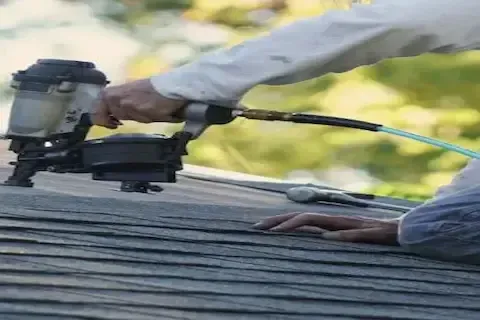
Effective roof repair requires matching materials, techniques, and timing to specific conditions. Simple shingle replacement involves removing damaged pieces, installing new shingles with proper overlap and fastening patterns, and sealing exposed nail heads. However, integrating new materials with existing systems requires skill and experience.
Flashing repair often involves removing surrounding materials to access the source of failure. Step flashing replacement requires careful coordination with siding or masonry work. Valley flashing installation demands proper slope calculations and waterproofing techniques to ensure adequate drainage.
Ice dam prevention repairs may include improved attic insulation, enhanced ventilation systems, and installation of ice and water shield membranes along roof edges. These comprehensive solutions address root causes rather than just repairing visible damage.
Emergency repairs during severe weather require temporary weatherproofing techniques until permanent solutions can be implemented. Tarping, emergency patching, and temporary flashing installation protect your home while permanent materials and favorable weather conditions become available.
Material Selection for Durability
Repair material choices significantly impact long-term performance and future maintenance needs. Architectural shingles offer better wind resistance and longer warranties compared to basic three-tab options. Impact-resistant shingles provide additional protection against hail damage common in Washington County.
Flashing upgrades during repair work often justify the additional investment. Copper or stainless steel flashing materials outperform galvanized options in Minnesota's climate conditions. Proper sealant selection ensures compatibility with existing materials and provides lasting weather resistance.
Timing and Weather Considerations
Minnesota's limited roofing season affects repair scheduling and material choices. Most roofing work occurs between April and October when temperatures support proper sealant curing and worker safety. However, emergency repairs may require specialized cold-weather techniques and materials.
Spring represents the optimal time for comprehensive roof inspections and non-emergency repairs. Winter damage becomes apparent as snow melts, and mild weather allows thorough evaluation of all roof systems. Early season repairs prevent small problems from worsening during summer storm season.
Storm damage requires immediate temporary protection followed by permanent repairs as soon as conditions permit. Insurance claims often have timing requirements that affect coverage decisions, making prompt professional assessment crucial after severe weather events.
For comprehensive roofing information, homeowners should also review our asphalt shingle roofing guide which covers material selection and installation considerations that complement repair work.
Repair Versus Replacement Decision Factors
Age represents the primary factor in repair versus replacement decisions. Roofs approaching 15-20 years may benefit from replacement rather than repeated repairs, especially when multiple systems show deterioration. Cost analysis should consider long-term maintenance expenses and energy efficiency improvements.
Extent of damage influences the most cost-effective approach. Localized damage from tree impact or isolated leak areas typically warrant repair. Widespread granule loss, multiple leak sources, or structural damage often justify complete replacement for better long-term value.
Energy efficiency considerations may support replacement over repair in older homes. Modern roofing systems offer improved ventilation, insulation integration, and reflective properties that reduce heating and cooling costs significantly over time.
Insurance and Documentation Requirements
Insurance claims for roof damage require thorough documentation and professional assessment. Photos of damage, maintenance records, and detailed repair estimates support successful claims processing. Understanding policy coverage limits and deductibles helps homeowners make informed repair decisions.
Some insurance policies require specific contractor qualifications or material standards for covered repairs. Verify requirements before beginning work to ensure compliance and coverage eligibility.
Local Code Compliance and Permit Requirements
Woodbury building codes specify requirements for roofing materials, installation methods, and permit needs. Minor repairs typically don't require permits, but extensive work or structural modifications may need city approval and inspection.
Washington County wind load requirements affect fastening patterns and material specifications for repair work. Compliance ensures proper performance and maintains insurance coverage validity. Professional contractors understand local requirements and ensure compliant installations.
Historical district properties may have additional restrictions on visible materials and colors. Verify any homeowner association or architectural review requirements before selecting repair materials or methods.
Maintenance and Prevention Strategies
Regular maintenance significantly extends roof life and reduces repair frequency. Annual inspections identify developing problems before they require emergency intervention. Gutter cleaning, debris removal, and minor caulking represent manageable homeowner tasks that prevent larger issues.
Tree trimming around roof areas reduces debris accumulation and prevents damage from falling branches during storms. Proper attic ventilation and insulation minimize ice dam formation and temperature-related material stress.
Professional maintenance programs provide systematic inspection and minor repair services that catch problems early. These preventive approaches often cost less than emergency repairs and extend overall roof life significantly.
Understanding your roof's specific vulnerabilities based on design, materials, and exposure helps prioritize maintenance efforts effectively. Documenting repair history and maintenance activities supports warranty claims and insurance coverage when needed.
