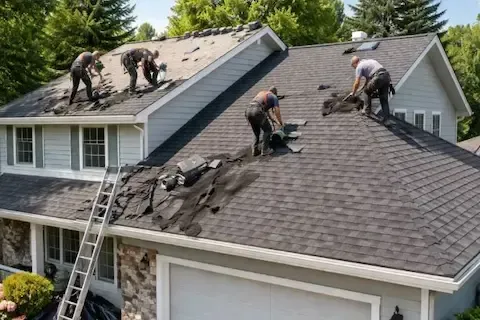
Roof Replacement Cost Breakdown for Woodbury MN Homes
Replacing a roof in Woodbury, MN involves more moving parts than most homeowners expect. The final invoice reflects decisions made before a single shingle is pulled—material grade, deck condition, contractor experience, and even your HOA's documentation requirements all feed into the number. Understanding how each line item contributes to the total helps you evaluate competing bids with confidence and avoid surprises when the project is complete.
What Drives the Base Price of a Roof Replacement
The single largest cost variable in any residential roof replacement is square footage. Contractors measure roofing in "squares"—one square equals 100 square feet of roof surface. A typical Woodbury home ranges from 20 to 40 squares depending on footprint and pitch. Steeper pitches add labor cost because crews work more slowly and require additional safety equipment. A 12/12 pitch can add 20 to 30 percent to base labor rates compared to a low-slope roof of the same footprint.
Material selection is the second major driver. Three-tab asphalt shingles sit at the low end of the cost spectrum but have largely fallen out of favor. Architectural (dimensional) shingles have become the standard choice in Washington County because they carry better wind and impact ratings, which matters in a region that sees hail and severe thunderstorms regularly. Designer and premium impact-resistant shingles cost more upfront but can reduce insurance premiums for some homeowners. Material costs alone can range from roughly $90 to $200 per square depending on grade.
Tear-Off and Disposal Costs
Minnesota building code generally limits the number of shingle layers on a residential roof, so most full replacements require a complete tear-off of existing materials. Tear-off labor and disposal typically add $50 to $100 per square to the project total. If a second layer of shingles is already present, disposal weight increases and dumpster costs rise accordingly. You should ask any contractor you interview to confirm whether the quoted price includes full tear-off and haul-away, or whether disposal is billed separately as a line item.
Decking Inspection and Repair
Once the old material comes off, the contractor inspects the underlying roof deck—typically oriented strand board or plywood sheathing. In older Woodbury homes, especially those built in the 1980s and early 1990s, it's common to find sections of deteriorated decking caused by past leaks or inadequate ventilation. Most contractors price deck repair separately from the base bid, billing by the sheet. A single 4x8 sheet of OSB installed mid-job typically runs $80 to $150 including labor. Budgeting for two to five sheets of decking repair on a standard home is reasonable if the roof has experienced any moisture intrusion.
Underlayment, Flashing, and Accessory Materials
The layers beneath the shingles contribute meaningfully to total cost and to long-term performance. Synthetic underlayment has replaced traditional felt paper in most quality installations because it holds up better to wind and foot traffic during installation. Ice and water shield—a self-adhering membrane applied at eaves, valleys, and around penetrations—is required by Minnesota code in the first few feet from the eave due to the state's ice dam risk. These materials, combined with ridge cap, starter strip, drip edge, and pipe boot flashings, typically add $1,000 to $2,500 to a mid-size residential project depending on roof complexity.
Valley and chimney flashing are often an overlooked cost. If existing step flashing around a chimney or dormer is corroded or improperly installed, replacing it during a roof project is far less expensive than addressing it after the new shingles are down. Ask your contractor to itemize flashing replacement in the bid so you know what is and isn't included.
Washington County Permit Fees
Woodbury requires a building permit for residential roof replacements. Permit fees are calculated based on the valuation of the project and typically fall in the range of $100 to $250 for a standard single-family home. Some homeowners skip this step when working with lower-bid contractors, which creates real risk—an unpermitted roof replacement can complicate a home sale and may void manufacturer warranties. A licensed contractor will pull the permit on your behalf and schedule the required inspection. When comparing bids, verify that permit fees are included rather than excluded from the quoted total.
HOA Documentation Requirements in Woodbury Developments
Many Woodbury neighborhoods fall under homeowner association governance, particularly in planned communities developed over the past two decades. These HOAs often require pre-approval of roofing material color and profile before work begins, along with documentation of the contractor's insurance and licensing. Failure to obtain approval before the project starts can result in fines or mandatory re-work. A reputable local roofing contractor will be familiar with this process and can provide the sample boards or product specifications your HOA needs. Factor in two to three weeks for HOA review when scheduling your project.
Typical Total Cost Ranges for Woodbury Homes
Pulling these variables together, a full roof replacement on a typical Woodbury single-family home generally falls in the following ranges:
Small home (20–25 squares, standard architectural shingle): $8,000 to $12,000
Mid-size home (26–35 squares, architectural shingle with moderate complexity): $12,000 to $18,000
Larger or more complex home (36+ squares, premium shingle, steep pitch): $18,000 to $28,000+
These figures assume standard tear-off, full underlayment system, permit, and limited deck repair. Storm damage claims processed through an insurance carrier can offset a significant portion of this cost. If you're in the process of evaluating whether to file a claim, review our roof replacement guide for a detailed walkthrough of the decision-making process.
How to Read and Compare Contractor Bids
Not all bids are structured the same way, which makes comparison difficult at first glance. When reviewing proposals, look for explicit line items covering: material brand and product line, number of squares measured, tear-off and disposal, underlayment type, ice and water shield square footage, decking repair allowance, flashing scope, permit fees, and warranty terms. A bid that omits these details is harder to hold a contractor accountable to if disputes arise mid-project.
Labor warranties and manufacturer warranties serve different purposes. A manufacturer's shingle warranty covers product defects. A contractor's workmanship warranty covers installation errors—things like improper nail patterns or inadequate flashing that can allow water intrusion years later. Both matter, and both should be documented in writing before you sign.
For homeowners ready to move forward with a full project evaluation, Roof Replacement services from a licensed local contractor include detailed written bids that break down each cost component so you can make a fully informed decision.
Timing and Seasonal Pricing Considerations
Roofing demand in the Twin Cities metro peaks in late spring and again in September and October after the summer hail season. Booking a project for late fall or early spring—assuming weather cooperates—can sometimes mean better contractor availability and faster scheduling. Most quality contractors in the Woodbury market are booked two to four weeks out during peak season, and premium crews can be booked six or more weeks out after a significant hail event affects the area. Starting your contractor search early gives you more options and more leverage in the bidding process.
