Metal Roofing in Woodbury MN: Complete Homeowner Guide
Metal roofing represents one of the most durable and energy-efficient roofing solutions available to homeowners in Woodbury, Minnesota. With proper installation and quality materials, a metal roof can last 50 to 70 years while providing superior protection against Minnesota's harsh weather conditions, including heavy snow loads, ice formation, and severe storms that characterize Washington County's climate.
Understanding Metal Roofing Systems
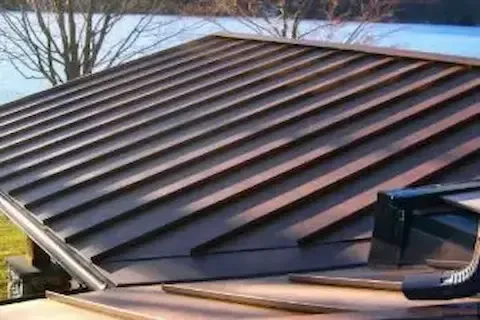
Metal roofing encompasses several distinct systems, each designed for specific performance requirements and aesthetic preferences. Standing seam metal roofing features concealed fasteners with vertical legs and a flat area between them, creating clean lines and superior weather resistance. The panels connect through mechanical seaming, eliminating exposed fasteners that could become failure points over time.
Exposed fastener systems, also called corrugated or ribbed metal panels, use visible screws with rubber washers to secure panels directly to the roof deck. While more affordable initially, these systems require regular maintenance as washers deteriorate and fasteners can work loose due to thermal expansion and contraction cycles common in Minnesota's temperature extremes.
Metal shingles and tiles replicate traditional roofing materials while providing metal's durability advantages. These systems often feature interlocking designs that shed water effectively while maintaining the aesthetic appeal of slate, cedar, or clay tiles that many Woodbury homeowners prefer.
Climate Performance in Washington County
Minnesota's climate presents unique challenges that make metal roofing particularly advantageous for Woodbury homeowners. The smooth surface of metal panels encourages snow to slide off naturally, reducing the static load on your roof structure during heavy accumulation periods. This snow shedding characteristic helps prevent the formation of ice dams, a common problem with traditional asphalt shingles in our region.
Metal roofing's thermal properties work effectively with proper insulation and ventilation systems. The reflective surface reduces heat absorption during summer months, while the material's low thermal mass prevents heat retention that could contribute to ice dam formation during winter freeze-thaw cycles.
Wind resistance represents another critical performance factor in Washington County, where severe thunderstorms can generate winds exceeding 70 mph. Quality metal roofing systems, when properly installed with appropriate fastening schedules, can withstand winds up to 140 mph, far exceeding the performance of traditional materials.
Thermal Movement Considerations
Metal roofing expands and contracts significantly with temperature changes, requiring specific installation techniques to accommodate this movement. Proper fastening patterns, expansion joints, and panel overlap specifications ensure the system remains watertight through Minnesota's temperature swings that can exceed 100 degrees between winter lows and summer highs.
Material Options and Finishes
Steel remains the most common metal roofing material, available in galvanized, galvalume, and weathering steel options. Galvalume coating provides superior corrosion resistance for our climate, combining aluminum's corrosion resistance with zinc's galvanic protection. This coating system typically carries warranties of 25 to 40 years against perforation.
Aluminum offers excellent corrosion resistance and lighter weight, making it suitable for structures with limited load-bearing capacity. However, aluminum's higher cost and potential for denting in severe hail makes it less common in Minnesota applications.
Copper provides unmatched longevity and develops a natural patina over time, but represents a significant investment that may exceed the budgets of most residential projects in Woodbury. Zinc offers similar longevity characteristics with a lower initial cost than copper.
Paint systems significantly impact both appearance and longevity. Kynar 500 or Hylar 5000 fluoropolymer coatings provide superior fade resistance and chalk resistance, maintaining color integrity for decades. These premium coatings typically carry 30-year warranties against excessive fading and chalking.
Color Selection Impact
Color choice affects both energy performance and aesthetic integration with your neighborhood. Lighter colors reflect more solar energy, reducing cooling loads during summer months. However, darker colors may help with ice melting during winter conditions. Many Woodbury homeowners choose colors that complement their home's architecture while considering energy efficiency goals.
Installation Requirements and Considerations
Proper installation determines metal roofing performance regardless of material quality. The roof deck must provide adequate structural support for the chosen system, with considerations for snow loads specific to Minnesota building codes. Underlayment selection becomes critical, as synthetic materials typically outperform felt paper in metal roofing applications.
Fastener selection and placement follow manufacturer specifications exactly, as improper fastening represents the primary cause of metal roofing failures. Thermal movement requires specific fastening patterns that allow panels to move without creating stress concentrations or compromising weather seals.
Flashing details require particular attention in metal roofing installations. Valleys, penetrations, and transitions to other materials must accommodate thermal movement while maintaining watertight seals. Quality installations use compatible metals to prevent galvanic corrosion and include expansion joints where necessary.
For homeowners considering a comprehensive evaluation of their current roofing condition before metal installation, our roof inspection guide provides detailed information about assessing structural adequacy and identifying potential issues that should be addressed during the installation process.
Common Installation Mistakes
Inadequate ventilation represents a frequent oversight in metal roofing installations. While metal roofs don't require ventilation for material longevity like asphalt shingles, proper ventilation prevents condensation issues and maintains energy efficiency. The vapor barrier characteristics of metal roofing require careful attention to moisture management within the roof assembly.
Mixing dissimilar metals creates galvanic corrosion potential that can significantly reduce system lifespan. Even compatible metals require proper separation and isolation to prevent electrochemical reactions that accelerate corrosion in Minnesota's moisture-rich environment.
Improper slope considerations affect both water drainage and thermal movement accommodation. Metal roofing performs optimally on slopes of 3:12 or greater, though some systems can accommodate lower slopes with additional sealing measures.
Panel storage and handling during installation affects long-term performance. Scratches, dents, or coating damage during installation can create corrosion initiation points that compromise the system's protective capabilities.
Local Building Code Compliance
Washington County and Woodbury building codes specify requirements for metal roofing installations, including structural load calculations, fire ratings, and wind resistance specifications. Metal roofing typically meets or exceeds these requirements, but proper documentation and inspection ensure compliance.
Permit requirements for metal roofing installations in Woodbury depend on the scope of work and whether structural modifications are necessary. Complete roof replacements typically require permits, while some repair work may not. Consulting with local building officials clarifies specific requirements for your project.
Energy code compliance becomes increasingly important as Minnesota adopts more stringent efficiency standards. Metal roofing's reflective properties and compatibility with cool roof standards help meet these requirements while potentially qualifying for energy efficiency incentives.
Professional Installation Advantages
Professional installation ensures warranty compliance and optimal performance from your metal roofing investment. Manufacturer warranties typically require installation by certified contractors using approved techniques and materials. This certification process demonstrates proficiency in proper installation methods specific to each manufacturer's products.
Experienced installers understand local climate considerations that affect installation techniques and material selection. They can recommend appropriate systems for your specific situation while ensuring compliance with local building codes and manufacturer requirements.
Professional installation includes proper safety equipment and procedures necessary for working with metal materials at elevation. The specialized tools and techniques required for metal roofing installation make professional installation the safest and most reliable approach.
For homeowners ready to explore Metal Roofing options, professional consultation ensures appropriate system selection and proper installation techniques that maximize your investment's lifespan and performance.
Long-term Performance Expectations
Metal roofing's exceptional longevity makes it an excellent investment for Woodbury homeowners planning to remain in their homes long-term. With proper installation and minimal maintenance, quality metal roofing systems routinely exceed 50 years of service life, often lasting 60 to 70 years or more.
Maintenance requirements for metal roofing are minimal compared to traditional materials. Annual inspections to check fasteners, flashing, and panel condition typically suffice, along with occasional cleaning to remove debris that might retain moisture. The non-porous surface resists algae and moss growth common with other roofing materials in Minnesota's humid climate.
Energy efficiency benefits accumulate over the roof's lifespan through reduced cooling costs and potential heating efficiency improvements when properly integrated with insulation and ventilation systems. Many metal roofing systems qualify for energy efficiency tax credits and utility rebates that offset initial investment costs.
Resale value improvements often exceed the premium cost of metal roofing installation. Potential buyers recognize the long-term value proposition of a maintenance-free roofing system that won't require replacement for decades, making metal roofing an attractive feature in Woodbury's competitive real estate market.
