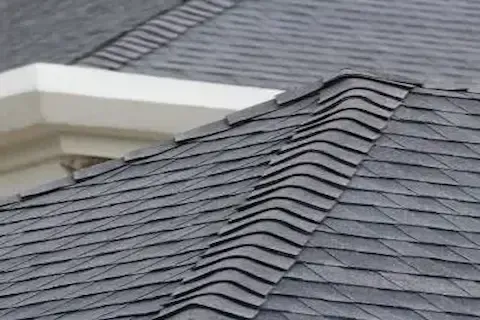
How Long Do Asphalt Shingles Last in Woodbury MN Homes
Asphalt shingles in Woodbury, MN typically last between 20 and 30 years, depending on the shingle grade, installation quality, and how well the roof handles Minnesota's freeze-thaw cycles. Standard three-tab shingles average 15 to 20 years. Architectural shingles commonly reach 25 to 30 years. Premium designer shingles can exceed 30 years with proper maintenance. Woodbury homeowners face specific climate stressors — heavy snow loads, ice dams along the Mississippi River corridor, and summer hail — that can shorten any shingle's effective lifespan. Regular inspections and attic ventilation management are the two biggest factors within your control.
How Long Do Three-Tab Asphalt Shingles Last in Woodbury?
Three-tab shingles are the thinnest and most affordable option. In Woodbury's climate, expect a realistic lifespan of 15 to 20 years. These shingles carry a single layer of asphalt granules and are more vulnerable to wind uplift — a meaningful concern during the severe spring and fall storm systems that move through Washington County. Manufacturer warranties on three-tab products often state 25 years, but those figures assume ideal conditions that Minnesota winters do not provide. If your home currently has three-tab shingles and the roof is approaching 15 years, begin budgeting for replacement rather than waiting for visible failure.
How Long Do Architectural Shingles Last in the Minnesota Climate?
Architectural shingles, also called dimensional or laminate shingles, are the most common choice on Woodbury homes built after 2000. Their laminated construction provides greater thickness, which improves resistance to the repeated freeze-thaw stress that Minnesota winters generate. A well-installed architectural shingle roof in Woodbury will reliably perform for 25 to 30 years. Products carrying a Class 4 impact resistance rating hold up better against the hail events that move through the Twin Cities metro during summer. If you are replacing a roof on a home you plan to own for another 20 years, architectural shingles represent the most cost-effective middle ground between performance and price. For a deeper look at product options and installation details, review this asphalt shingle roofing guide.
What Climate Factors Shorten Shingle Life in Woodbury Specifically?
Woodbury's location in the eastern Twin Cities metro exposes roofs to several compounding stressors:
- Freeze-thaw cycling: Woodbury experiences an average of 50 or more freeze-thaw cycles per season. Each cycle expands and contracts the shingle mat, accelerating granule loss and edge cracking over time.
- Ice dams: Poor attic insulation and ventilation allow heat to escape through the roof deck, melting snow that refreezes at the eaves. The trapped water works under shingles and degrades the underlayment.
- Hail exposure: Washington County sits within a corridor that receives moderate hail activity each summer. Impact damage accelerates granule loss and creates micro-fractures that allow moisture infiltration years before visible cracking appears.
- UV degradation: South- and west-facing slopes receive intense afternoon sun during Minnesota summers, which dries out the asphalt binder and makes shingles brittle faster than north-facing slopes on the same structure.
Does Attic Ventilation Affect How Long Shingles Last?
Yes — attic ventilation is one of the most underestimated factors in shingle longevity in Woodbury homes. An improperly ventilated attic traps heat in summer and moisture in winter. Summer heat buildup can raise sheathing temperatures above 150°F, which bakes the asphalt from underneath and voids many manufacturer warranties. In winter, trapped moisture causes condensation on the sheathing and accelerates rot, which undermines the structural support the shingles rely on. Minnesota code requires balanced intake and exhaust ventilation. If your home has a finished attic conversion or added insulation without adjusted ventilation, have a qualified contractor evaluate airflow before your next shingle replacement.
What Maintenance Steps Extend Shingle Life in Woodbury?
- Annual inspections: Have your roof inspected each fall before snow season and again in spring after snowmelt. Woodbury's freeze-thaw cycles make this a practical minimum, not an optional upgrade.
- Gutter cleaning: Clogged gutters cause water to back up at the eaves and contribute directly to ice dam formation. Clean gutters at least twice per year — after leaf fall and after spring debris accumulation.
- Trim overhanging branches: Several Woodbury neighborhoods feature mature oak and maple trees that drop debris and create shaded zones where moss and algae develop faster, degrading the granule surface.
- Address flashing early: Failed flashing around chimneys, skylights, and pipe boots is the most common entry point for moisture. Catching a flashing failure in year five costs a fraction of the deck repair required if it goes unaddressed for a decade.
When Should Woodbury Homeowners Replace Rather Than Repair?
Repair makes sense when damage is isolated — a handful of missing shingles after a windstorm, a single failed flashing. Replacement becomes the rational choice when the roof is past 20 years, when granule loss is widespread across multiple slopes, when shingles are curling or buckling broadly, or when an insurance adjuster documents hail damage across more than 30 percent of the surface. Layering new shingles over an existing worn layer — a practice called a re-roof — is permitted once in Minnesota but traps the existing deck condition out of sight and typically shortens the new shingle's effective life by several years. A full tear-off allows inspection of the decking and is generally the better long-term choice for Woodbury homes. When you are ready to evaluate your options, Asphalt Shingle Roofing specialists familiar with local conditions can give you an honest assessment of remaining life and replacement timing.
What Warranty Terms Should Woodbury Homeowners Understand?
Most architectural shingle manufacturers offer limited lifetime warranties, but the fine print matters. Non-prorated coverage typically applies only for the first 10 to 25 years depending on the product line. After that, reimbursement is prorated based on the shingle's age — meaning a 28-year-old shingle that fails may yield only a fraction of replacement material cost. Wind warranties often cap at 110 mph unless you pay for an enhanced warranty and use approved installation methods. Algae-resistance warranties cover discoloration from blue-green algae but not the underlying granule loss that affects performance. Read the warranty document for any product being installed on your Woodbury home, and confirm that your contractor's installation method qualifies for the stated coverage.
